Balkondes Karangrejo – Your Gateway to Borobudur’s Living Culture.
Stay close to Borobudur at Balkondes Karangrejo—experience cultural, and the warmth of Javanese hospitality in a serene village setting.
Diesma Kesuma
8/19/20255 min read
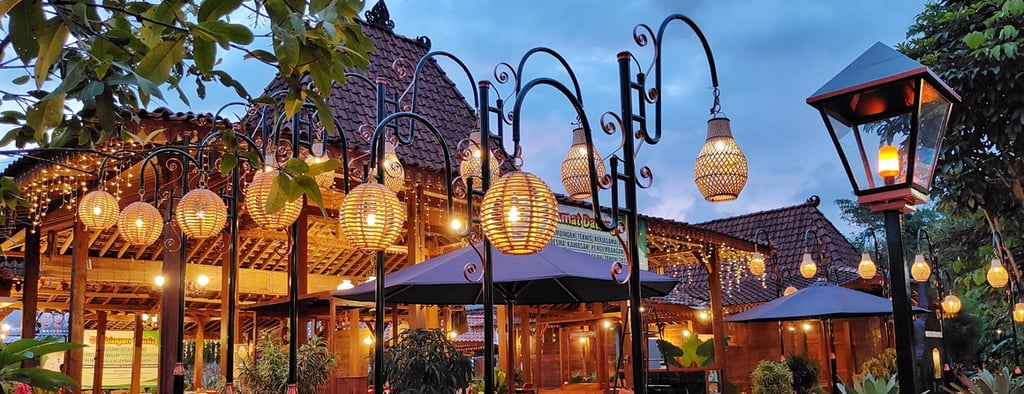

Balkondes Karangrejo, A Gateway to Borobudur Temple
Photo by : Balkondes Karangrejo
Tired of crowded tourist spots and common hotels? What if your adventure to Borobudur means not more than just a sunrise photo? Instead of booking casual and expensive hotel. Here I have other option for you, it is Balkondes Karangrejo it's not and a common homestay, to sleep. It's a community-based homestay where your journey and adventure becomes a story of connection and empowerment at the heart of Java.
Balkondes Karangrejo: A Community-Based Homestay
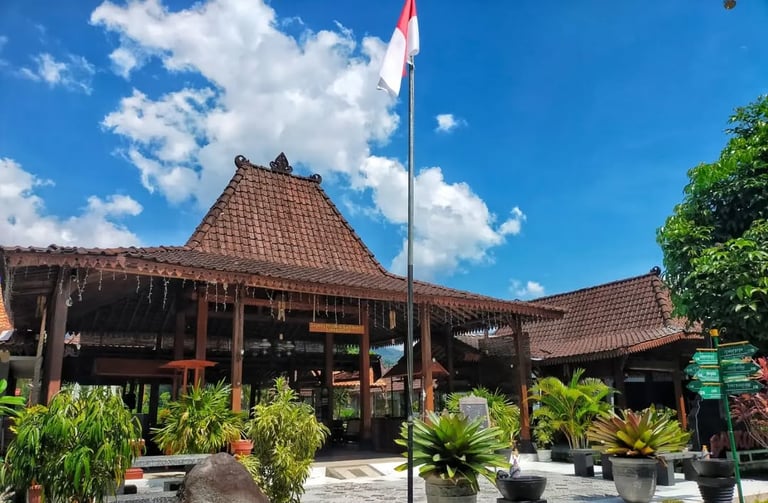
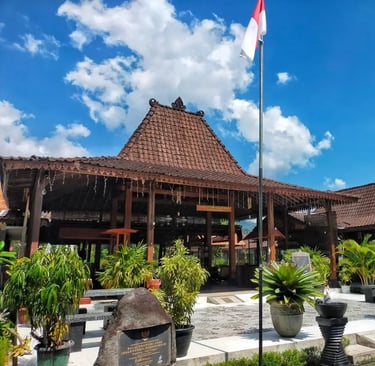
Sunrise at Borobudur Temple may steal the Instagram spotlight, but the real magic for travelers unfolds 4 kilometers away in the emerald embrace of Balkondes Karangrejo. Forget luxury resorts – this is where Javanese village life wraps you in the warmth of ethnicity, where rice paddies whisper stories, and where your stay directly empowers and impact the local society.
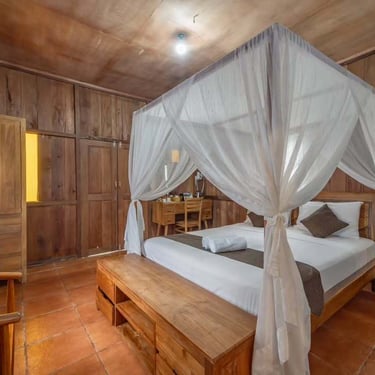
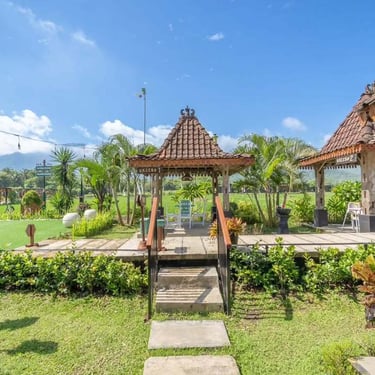
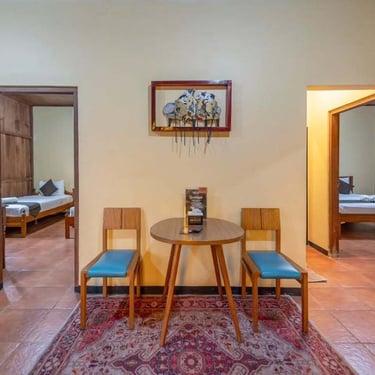
Waking up in a handcrafted wooden cottage (limasan style), fresh air stepping onto your private villas as dawn touch endless rice fields. The scented with frangipani and earth. No traffic, no crowds – just the rhythm of village life: farmers tending crops, the distant call to prayer. This isn’t a backdrop; it’s immersion which not every luxury stays can give this experience. It's not a set up things to experience, it's the nature who work by themselves without command.
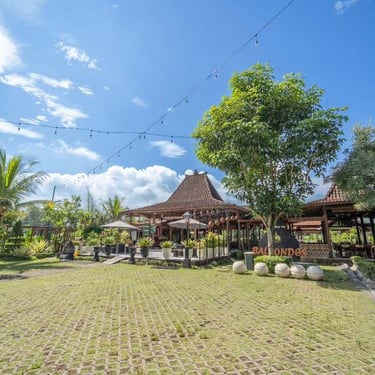
Sitting in the courtyard with a hot ginger drink made by the locals makes me feel like time has stopped. It was such a quiet and relaxing moment. In the afternoon, the wind touched my skin and gave me a dreamy feeling. I didn’t even realize the day was getting darker.
Photo : Balkondes Karangrejo
Your Sanctuary Awaits: The Heartbeat of Karangrejo
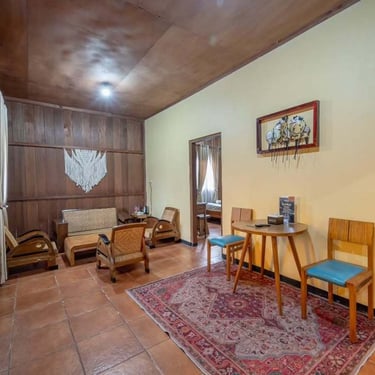
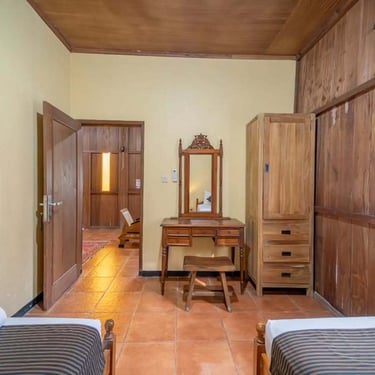
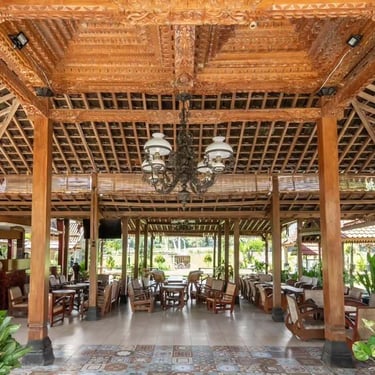
Unlike modern hotels, Balkondes Karangrejo was built using authentic Javanese architecture—wooden structures, terracotta tiles, bamboo details, and open verandas that remind you of a simpler time. The design reflects not just comfort, but also the values of community and sustainability. Staying here feels like stepping into living history, surrounded by green rice fields and the rhythm of local life.
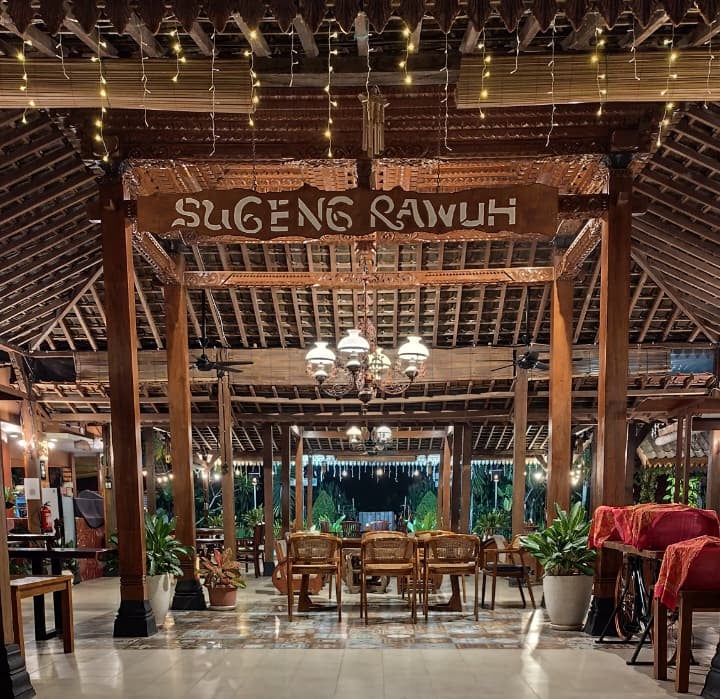
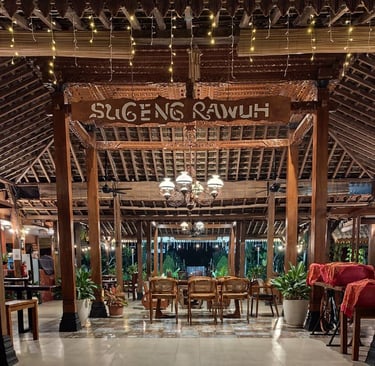
Photo : Lobby & Restaurant
Food is another highlight at Balkondes Karangrejo. Guests can savor authentic Javanese cuisine—from gudeg and pecel to nasi liwet. The dishes are made with traditional recipes passed down for generations. However, while the taste is authentic and unforgettable, it’s worth noting that these meals are part of the curated experience supporting the local community. Think of it as dining with a purpose—your meal helps preserve culture and livelihoods.
Why Balkondes Karangrejo is More Than Just a Stay
One of the best ways to understand a culture is through its food, at Balkondes Karangrejo, meals are more than just something to eat—they are part of the village’s identity. Every dish is prepared by local residents, using traditional recipes and ingredients sourced from nearby farms and markets. By dining here, you are not only enjoying authentic Javanese flavors but also supporting the livelihood of the Karangrejo community.
The Flavor of Javanese Cuisine at Balkondes Karangrejo
Traditional Breakfast to Start the Day
Mornings often begin with wedang jahe (hot ginger drink), freshly made from local ginger roots, paired with snacks like getuk (sweet cassava cake) or jadah tempe (sticky rice with fermented soybean). These dishes represent the simplicity of Javanese life—wholesome, filling, and comforting
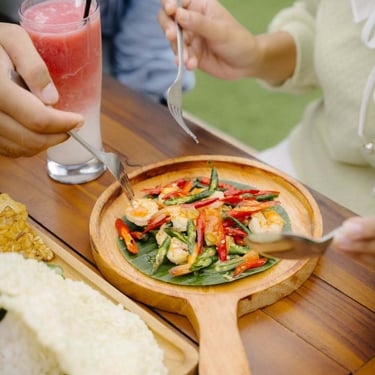
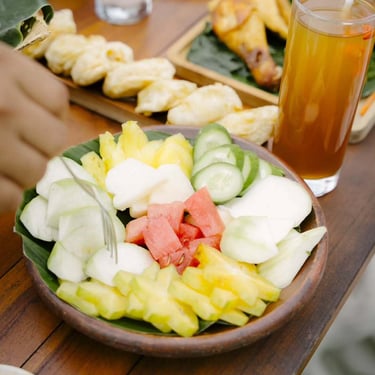


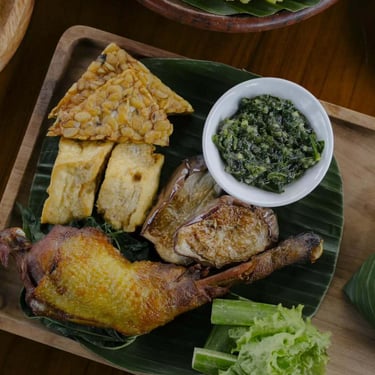
For lunch or dinner, you can enjoy a variety of authentic Javanese cuisine, such as:
Nasi Liwet – rice cooked in coconut milk, usually served with fried chicken, tempeh, and sambal.
Pecel – blanched vegetables with rich peanut sauce, a local favorite for its healthy and fresh taste.
Ayam Ingkung – whole chicken slowly cooked with herbs and spices, traditionally used for ceremonies, now shared with visitors.
Gudeg Jogja – a slow-cooked young jackfruit stew, a sweet and savory dish famous across Yogyakarta and Magelang.
Wedang Jahe – Hot ginger tea which freshly made from local ginger root
Authentic Javanese Meals
Each meal reflects the traditions of Javanese households and offers visitors a genuine taste of the Javanese culinary heritage. I think the prices are considered affordable, the most valuable thing is that every money spent here goes back into the community. It helps sustain farmers, local cooks, and cultural preservation efforts. In other words, dining at Balkondes Karangrejo is not just about tasting authentic dishes—it is about empowering the people who keep these traditions alive.
Photo : What to Eat & Drink
Things to Do Near Balkondes Karangrejo
Borobudur Temple
Around 10 minutes distance from Balkondes Karangrejo you can get to the iconic Borobudur Temple, which is known for the largest Buddhist temple in the world and a UNESCO World Heritage Site. Whether you visit at sunrise or at sunset, when the stone carvings glow in golden light, the experience is unforgettable.
Punthuk Setumbu Hill
A panoramic sunrise views of Borobudur with Mount Merapi and Mount Merbabu background, head to Punthuk Setumbu Hill. This popular viewpoint is perfect for photographers and early risers who want to see the temple from above.
Gereja Ayam (Chicken Church)
One of the most iconic landmarks at Karangrejo Village which close to Borobudur is Gereja Ayam, a giant prayer house shaped like a chicken’s head. The landmark was abandoned, now become a cultural site and café. Climb to the top for wide views of the surrounding villages and rice fields.
Mendut Temple
Located just a few kilometers from Borobudur, Mendut Temple is a smaller Buddhist temple known for its impressive three-meter-tall Buddha statue. Many travelers visit Mendut before continuing their journey to Borobudur.
Village and Rice Field Tours
The countryside around Karangrejo is a mix of beautiful rice terraces, coconut trees, and traditional homes. This village known for it's tourism empowerment. Visitors can take guided village tours, join farming activities, or simply enjoy a cycling trip through the fields. It’s a chance to experience rural Javanese life up close. Contact the Balkondes Karangrejo to arrange this tours.
How to Get to Balkondes Karangrejo and Best Time to Visit
Balkondes Karangrejo is located close to Borobudur Temple, Central Java or 4 Kilometers away from the world-famous Borobudur Temple. It is accessible by air, land, and local transport. Since there are some transportation options, it will be easy for international travelers to go there.
Closest Airpot
The nearest airport is Yogyakarta International Airport (YIA) in Kulon Progo, about 60 km from Balkondes Karangrejo. The drive takes 1.5–2 hours by car. Click this link for flight schedule checking and booking
From Yogyakarta City
By Car or Motorbike: The easiest way is renting a car or motorbike. The trip takes around 1–1.5 hours (40 km).
By Bus: From Jombor Bus Terminal, take a bus to Borobudur Terminal (1.5–2 hours), then continue by local transport or ojek (motorcycle taxi).
By Tour Service: Many travel operators in Yogyakarta offer Borobudur tours and can arrange a stop or overnight stay at Balkondes Karangrejo.
Best Time to Visit
The area around Borobudur, including Balkondes Karangrejo, has a tropical climate with warm temperatures year-round. The best months to visit are during the dry season (April to October), when the skies are clear and mornings are perfect for sunrise views at Borobudur or Punthuk Setumbu Hill
From YIA, you can hire a car, book a private transfer, or take the airport train/bus into Yogyakarta city before continuing to Borobudur.
YIA is the main airport serving international and domestic flights, replacing the old Adisutjipto Airport.